
Rainy Day Activities to Keep Kids Busy Indoors
Looking for ideas on a rainy day that you can do with your kids for a few hours? Don’t worry, there are plenty of options to keep them busy and active without a screen.
The next time a rainy day comes, keep this list of the top rainy day activities for kids in your pocket so you won’t be taken aback when they approach you and say, “I have nothing to do.” Think of this as the ideal selection of activities for the upcoming indoor day, ranging from art projects to sleepover favorites and boredom-busting crafts. Additionally, the majority of them are affordable and can be assembled using household items.
- OUR TOP PICK
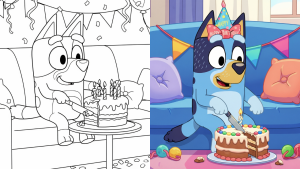
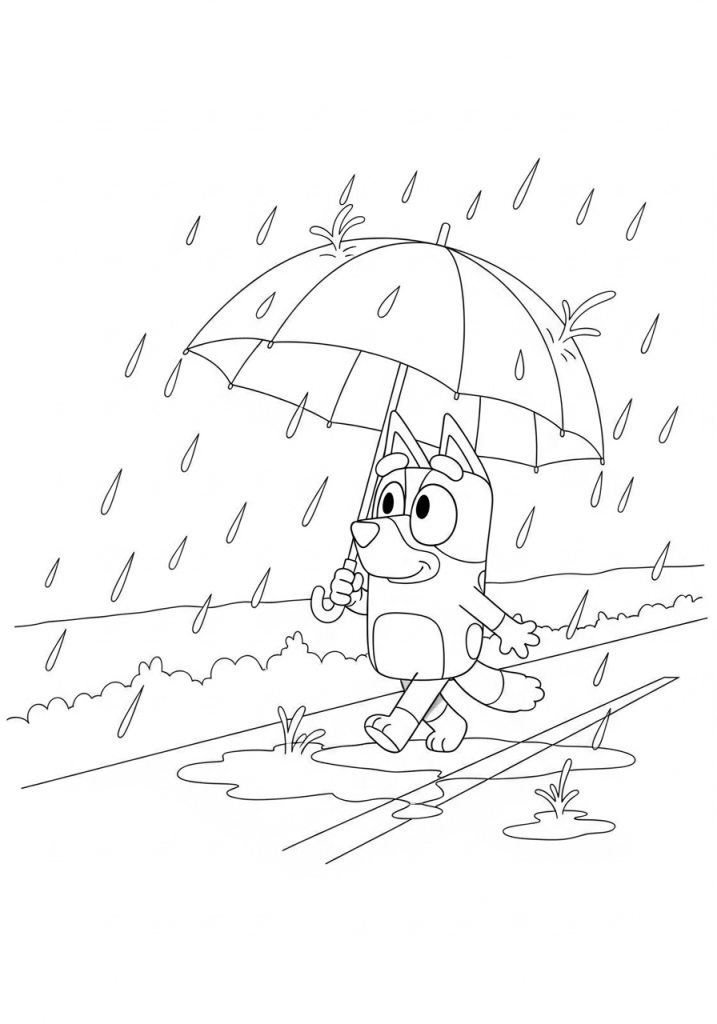
On a rainy day, Bluey coloring pages are a perfect indoor activity to keep kids entertained, calm, and creatively engaged. When outdoor play isn’t an option, children can enjoy bringing Bluey, Bingo, and their favorite Heeler family moments to life with crayons or markers. Coloring helps improve focus, fine motor skills, and imagination, making it a fun and educational way to turn a gloomy day into quality screen-free family time.
Why Rainy Day Indoor Activities Matter
When outside play isn’t feasible, indoor activities on rainy days are important because they keep kids emotionally stable, mentally stimulated, and physically active. Long days spent indoors without scheduled activities can easily result in restlessness and poor energy. The key features of rainy day activities are:
- Prevent boredom: To break the routine, artistic activities like baking or reading can lessen the emotions of boredom that are sometimes connected to bad weather
- Encourage physical development: Even in small spaces, games like yoga, dance, or easy obstacle courses promote mobility and coordination.
- Increase creativity: Reading, puzzles, and crafts foster imagination, problem-solving, and the development of fine motor skills.
- Enhance mood and emotional balance: Taking part in enjoyable activities helps turn bad weather into a good experience and lessens frustration.
- Promote family unity: Engage in shared indoor activities that improve relationships and communication, such as building forts, cooking, or playing board games.
By participating in activities, a depressing and unproductive day can be transformed into one that is productive, enjoyable, and memorable.
You might also like these related coloring pages!
42 Fun Rainy Day Activities for Kids
Whether you’re spending time with the family, hosting an intimate gathering, or just need ways to lighten up a gray afternoon, these will make any indoor day memorable. Be it creative crafts or friendly competition, there’s something for everyone, without needing any special equipment!
Creative & Arts Activities
Activities that promote color mixing, textures, and creative expression include marble painting, watercolor and salt art, sponge painting, and nature collages. Through hands-on, sensory-rich activities, creative arts help improve creativity. Some innovative and artistic rainy day activities for toddlers are below:
- Indoor Camping Adventure
You can set up a small tent or a fort by making use of a number of blankets, pillows, chairs, stuffed toys, a flashlight bulb, and a number of storybooks. You can create a nighttime scenario even if it’s daytime.
Benefits: This engages their minds to think creatively.
Tip: Turn off digital devices like TVs to focus on the camping adventure.
- Window Art with Washable Markers
Supply the child with washable crayons and let them draw on the windows. Also, have a cloth handy to clean up easily. Drawing something new is an interesting thing.
Benefits: This activity allows the child to have more control over his hands.
Tip: Use painter’s tape to protect window sills from paint.
- Toddler Art Gallery
Display your child’s drawings or paintings by hanging them on the wall or the refrigerator. Talk about the pictures like they’re an art show by walking around with your child.
Benefits: This makes the children feel good about themselves by displaying their artwork. This encourages toddlers to produce even more artwork for display.
Tip: Ask children to look up, down, and around while walking to see different angles.
Place tape contact paper on a wall with the sticky side out. Let children stick different paper shapes, fabric scraps, or other light objects to it.
Benefits: These activities improve problem-solving skills. Children can also explore making decisions.
Tip: for easier removal, apply art on glass windows.
- Homemade Shaped Stamps
Cut out simple shapes from sponges or potatoes. Color these using paint, then stamp away on the paper. This activity is especially for toddlers, while creating patterns, giving confidence in what is being created.
Benefits: Stamping improves hand utilization.
Tip: Use washable paint to color shapes.
- Paper Plate Raindrop Mobile
Decorate the paper plates as clouds. Make paper raindrops and hang them on strings. Finally, hang your mobile near a window. By doing this, children grasp the idea of weather.
Benefits: It helps in developing patience and sequencing in your child.
Tip: Allow multiple kids to create this at the same time.
- Watercolor Rain Art
Use watercolors with paper, and then spray water onto them, resulting in a “rainy” look. Children observe colors as they mix.
Benefits: It develops artistic skills in children.
Tip: For younger children, you can pre-draw an umbrella or cloud shape.
- Rainy Day Scrapbooking Fun
A notebook is required. Photos, sketches, cut-outs of magazine pictures, etc., can be pasted in it. Let the kids narrate stories on every page.
Benefits: Scrapbooking enhances their memory and communication skills. but it also allows them to reflect on their experiences and feel emotionally connected.
Tip: Use old paper and books for cutting pictures or pasting.
Sensory Play Activities
Sensory play helps children in investigating the world with all their senses, i.e., touch, sight, listening, smell, and movement. This is quite helpful for children to spend their rainy day by remaining calm, curious, or engaged within the home surroundings. Sensory play is good for developing children’s brains, emotional intelligence, and many other beneficial skills. These sensory activities make rainy days feel soothing rather than frustrating.
- Edible Finger Paint
You can mix yogurt with a few drops of coloring. Put it on a plate or tray and let children paint with their fingertips. Best indoor activity for preschool learners and toddlers.
Benefits: It develops children’s sensory skills, helping them gain confidence in messy activities. Tip: Use thick paper or cardstock to prevent paper from getting soggy.
- Indoor Sand Play
You can fill a container with sand or cereal pieces. Cups, spoons, toys, etc., can be used for play. Pouring can develop hand skills. They can explore freely and safely, so they are always relaxed while having fun with indoor sand.
Benefits: Children can learn patience, quantity, and space concepts.
Tip: Place a large sheet or tablecloth for easy cleanup.
- Sensory Walk
Make a path with towels, bubble wrap, pillows, or mats. Let children walk barefoot on this path. Through this, children learn how different surfaces make them move. Children of different age groups can equally enjoy this game.
Benefits: children learn to balance and can engage with the environment.
Tip: Ask questions about textures and encourage them to notice sound.
- Sensory Bottle
You can fill a clear plastic bottle with water, glitter, beads, or rice. Close it securely. Let children play with it by shaking or rolling it. It’s also a calming toy that depicts how to self-soothe.
Benefits: Observing things moving teaches children how to be more focused.
Tip: Use plastic bottles instead of glass bottles to prevent injury.
- Bubble Catch
To play, blow bubbles indoors, either by a bubble machine, by hand, or otherwise, and let children catch them, popping them, too, if convenient. It is a way of having a blast of joy and getting rid of any surplus energy.
Benefits: This enhances children’s hand-eye skills.
Tip: Include timing to make it more interesting.
- Water Mat Play
Seal a water play mat or a zip-lock bag filled with water and soft objects. Place it on the floor for the infant’s object pressing and pushing activities. It encourages curiosity at the same time, without making a mess in the room.
Benefits: Finger muscle development improves with object pressing and pushing activities.
Tip: Add two tablespoons of white vinegar to keep the water clear.
- Crinkle Paper Play
You give your child tissue paper or even existing wrapping paper to squeeze, tear, and listen to the sounds it produces. This is particularly useful for young learners.
Benefits: This enhances listening and the sense of touch.
Tip: Use different types of paper, which create different sounds.
Gross Motor & Movement Activities
The activities for gross motor development allow a child to use their large muscles for movement, balance, and cooperation. These types of games permit children to let out some energy indoors and strengthen their bodies. Play in a healthy way to stay active, even on a rainy day.
- Balloon Toss
Blow up a balloon, then gently pass it back and forth. This can be done while sitting, standing, or on the floor. Tracking moving balls, timing, etc., the slow motions will give them confidence.
Benefits: Children develop tracking and timing skills through this game.
Tip: Use lightweight balloons for safe indoor play.
- Dance Party
Play different types of music and allow children to dance. Stopping the music occasionally and telling children to freeze is one way to develop rhythm.
Benefits: Dancing also provides an opportunity for children to give expression to their emotions.
Tip: Parents joining in makes the experience more engaging for kids.
- Gentle Obstacle Course
Use pillows, cushions, or boxes to create a path for safe crawling, going over, under, or around them. Through working on the activity, children improve their planning skills.
Benefits: By going through this course, children improve their persistence skills.
Tip: Create a tunnel with the laundry baskets or with a blanket over the chair.
- Color Match Hop
Color some sheets of paper and place them on the floor. Name the color and have kids jump onto the paper. It enhances their knowledge of colors. They will listen attentively.
Benefits: This will help strengthen their leg and thinking skills.
Tip: For toddlers, focus on primary colors, and for preschoolers, introduce colors with shapes.
- Indoor Parachute Play
You need a large bedsheet to hold at both ends. You can go up and down with it or place some soft toys on it. Suitable for various age groups and can be played in classrooms or living rooms.
Benefits: This teaches children to work together.
Tip: Clear the area of furniture and hazards to avoid trips during the game.
- Animal Movement Game
Call out words like “frog,” “bear,” or “bird.” Children move like the given species; they’re acting out. Children make different movements using their bodies, which also exercises the kids.
Benefits: Strengthen their imagination skills.
Tip: For older children, introduce speed variation, like slow turtle.
- Mirror Movement Game
Stand facing one another. One of them should slowly move, and another should imitate it as in a mirror image. They learn nonverbal communication, often used in sports warm-ups.
Benefits: This helps in developing attention and focus in children.
Tip: Instead of full-body movement, focus on facial expressions that show different emotions.
- Soft Ball Rolling
Sit on the floor with kids and roll a soft ball back and forth with them. Gradually roll the ball back and forth with increasing distance as kids get comfortable with the activity.
Benefits: It builds collaboration and patience in children.
Tip: Use soft and foam balls; even rolled-up socks are best to prevent injuries.
STEM, Learning & Discovery
These activities promote exploration and the experimental nature in the minds of the children. In STEM play, young minds are able to understand how things work while at the same time cultivating curiosity, focus, and even the ability to solve problems. There are some simple hands-on activities given.
- Fizzing Colours Experiment
Baking soda can be put into a tray with food coloring added. Children may put the appropriate amount of food coloring with a drop mechanism or a spoon. They will see cause and effect. Experiments like this are good for school-going kids.
Benefits: This helps them begin to understand basic chemical reactions.
Tip: Use a deep tray or baking sheet to contain the mess.
- Rainbow Block Towers
Blocks with different colors can be provided to children, and they can be encouraged to stack them in terms of colors or height. This will help them to develop basic math skills.
Benefits: It will improve the balancing skills of children.
Tip: Teach children to place blocks slowly to prevent the tower from toppling.
- Shape Hunt
Children are asked to find the shapes present in the house, like circles, squares, or triangles. This will also strengthen the skills of the children to link what they are learning to real-life objects. This hunting is great for preschoolers.
Benefits: Children also enhance their skills in the identification and visualization of shapes.
Tip: Before hunting, tell the child to draw a shape and outline to understand attributes.
- Puzzle Piece Hunt
Place puzzle pieces around the room and ask the children to search for those puzzle pieces. They will then put together the puzzle. In these activities, children develop perseverance and accomplishment.
Benefits: These exercises enhance memory and attention.
Tip: For older children, play a clue-based hunt.
- Rainbow Light Show
Shine a flashlight beam through colored plastics or papers and onto the wall or ceiling spaces. Children are curious and explore with light and mixing colors.
Benefits: It stimulates their scientific interests.
Tip: Move the light source slowly to make the rainbow dance across the room.
- Shadow Puppet Theater
You may put a lamp and your hands or cut-out shapes from paper in front of a wall in order to create a series of shadows there. The children may learn about how light and shadow work in a simple way.
Benefits: This helps in the development of the children’s storytelling and other creative skills.
Tip: Use a single, bright, and focused light source.
Pretend & Dramatic Play
It allows children to understand their world, as pretend play is continuously observed on days when kids are feeling bored or emotionally upset. Rainy day activities like these inspire vision and self-sufficiency while also allowing parents some much-needed time off from the constant arguing over screen time.
- Indoor Scavenger Hunt
Prepare a short list of household items that would be safe for children to find. Use pictures instead of words for younger children. Well, this keeps children busy without supervision every second.
Benefits: Kids practice focus and following instructions while burning energy indoors.
Tip: Hide pieces of a jigsaw puzzle around the house; when all the pieces are found, the puzzle will be assembled.
- Stuffed Animal Picnic
Lay out a blanket and let children “serve” food to their stuffed toys. Kids can decide the menu and seating. It encourages play when kids are overstimulated.
Benefits: Children practice social skills and empathy through caring for their toys.
Tip: Ask each child to share a story or memory about its stuffed animal.
- Indoor Fishing Game
Cutting fish out of paper is easy. Add a paper clip to hold onto. Utilize one string and one magnet to “catch.” This game is great for toddlers and preschoolers.
Benefits: Hand coordination takes place without needing to run around the house.
Tip: Always supervise young children during play activity for safety.
- Indoor Mail Carrier
You can also give the children envelopes or folded pieces of paper to transport in a small bag. Not only is the child given the responsibility, but also the sense of having an important job.
Benefits: This turns the constant walking into purposeful walking.
Tip: Use the game to teach the habit of writing thank you. A small act of kindness.
- Laundry Basket Boat Adventure
You can place a laundry basket at your feet, imagining it as a boat. Here, young children can engage in activities they desire that do not expose them to harm. They can use their imagination and learn appropriate rules of pretending.
Benefits: Kid can experience paddling, steering, or visiting a fascinating place.
Tip: Use a large plastic laundry basket if you have multiple children.
- Cardboard City Building
Use empty boxes to construct houses, roads, and shops. Draw the doors and windows with markers. Recycling household items saves money for buying toys.
Benefits: Children learn to develop their planning skills and creative thinking.
Tip: Ask kids to think like city planners.
- Build a Cardboard Train
Line up boxes as train cars. Let children decorate, and let them assign roles: driver or passenger. It keeps children engaged for long periods.
Benefits: Kids practice to learn cooperation, storytelling, and sequencing events.
Tip: Link train boxes with S-shaped paper clips.
Music, Craft & DIY Fun
In these activities, children can engage to creatively express themselves. However, they are also manageable for parents. They are interesting for young children without being completely chaotic, ideal for rainy days and screen-free activities for kids.
- Homemade Musical Instruments
Through simple musical instruments, parents can let their children make music with rice-filled bottles, tin cans with balloons, or rubber bands placed over boxes. Noise level is regulated by both parents and children.
Benefits: Children learn rhythm and cause-and-effect without needing expensive toys.
Tip: Always clean recycled containers and check for sharp edges.
- DIY Rainstick Craft
Let your small child help you fill a paper towel tube with beads. You can seal the ends of a DIY rainstick craft by wrapping each end of the paper towel tube with a durable substance, like parchment paper, wax paper, or a small piece of cardboard.
Benefits: Babies and toddlers are fascinated by the gentle rain-like sound produced by slowly tilting the tube.
Tip: Use a funnel to pour filler into the tube to avoid a mess.
Calm, Cozy & Observation Activities
These rainy day activities are ideal when children are overstimulated or tired and in an emotional state. The activities will help in slowing down things, especially on rainy days, as kids and their parents will need to slow down somehow.
- Board Games and Puzzles
Traditional board games like Snakes and Ladders, Ludo, Chess, or jigsaw puzzles, for instance, may keep them occupied for hours while imparting important values like patience. Select the games according to the age group to maximize the enjoyment.
Benefits: This promotes the development of social skills and logical thinking.
Tip: Introduce a theme like a mystery box and add related objects.
Cooking & Baking
Cooking on rainy days is more than just enjoyable; it teaches children patience, healthy eating habits, and life skills. On a wet day, screen-time conflicts are reduced because it strikes the perfect mix between individualism and peaceful activities. For older kids, it’s an enjoyable way to learn.
- Easy Rainy Day Baking: Banana Oat Cookies
Mash ripe bananas and mix with oats. Optional add-ins: raisins, cinnamon, or chocolate chips. Scoop onto a baking sheet and bake for 10–12 minutes. Parents love a simple, low-mess recipe that young children can participate in. Kids get practice in measuring, stirring, and following steps, building confidence and early math skills.
Benefits: Baking teaches patience and rewards children with a tangible, tasty result.
Tip: Try a baby bread roll that is fun for kids to knead and shape.
Digital & Outdoor Activities
On a rainy day, even a simple change of pace for kids can help. Digital activities or outdoor activities offer learning, and kids’ movement when the weather permits can be condensed to short bursts indoors. These activities keep kids curious and prevent boredom from defining the day.
- Virtual Museum or Zoo Tour
Free access to museum or zoo online tours or, better yet, real-time animal cams where children can learn directly from them, wondering what they see. Parents can spend screen time with a goal in mind, rather than for mindless entertainment.
Benefits: Children learn observation, listening, and skills for exploring the world without physical risks.
Tip: Encourage children to take screenshots of their favorite discoveries to create a digital photo album.
- Outdoor Puddle Jumping
Wear rain boots together and raincoats. Jumping in puddles turns bad weather into an adventure while keeping home life organized and peaceful. But they still get to experience pure joy at home.
Benefits: The kiddo gets to get out some energy, balance on water, and explore their senses.
Tip: To create the biggest splash, encourage kids to land flat on both feet.
Final Thought
Rainy days don’t have to mean boredom or prolonged screen time. You can transform indoor hours into meaningful moments that keep kids happy and learning with the correct combination of creative, physical, and relaxing activities. Sometimes, experiences occasionally occur when you are stuck inside together.